


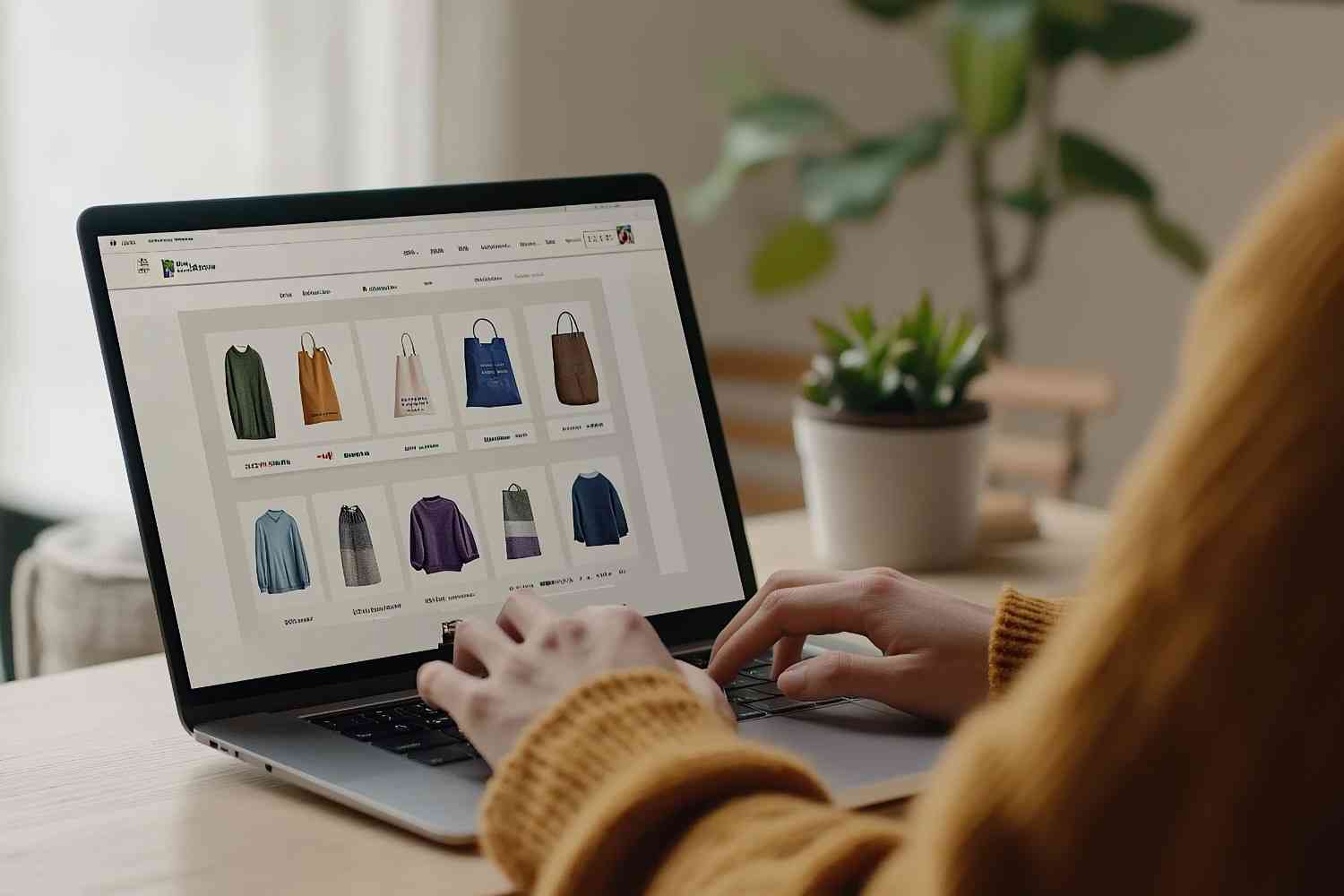
Why Shopify SEO hits different in New York
Ranking a Shopify store is never just about “adding keywords.” In New York, the competition is dense, customer expectations are high, and search intent can shift by neighborhood, lifestyle, and seasonality. Whether you sell apparel, beauty, home goods, or specialty products, SEO needs to do three things at once:
- Get discovered for high-intent searches (people ready to buy).
- Convert that traffic with fast, trustworthy, well-structured pages.
- Scale efficiently as your product catalog and content grow.
That’s why working with a specialized team matters. A Shopify-first approach understands the platform’s templates, URL structures, apps, and the technical constraints that can quietly limit organic growth.
If you’re looking for a dedicated Shopify SEO agency in New York, the best fit is usually one that can bridge technical SEO, content strategy, and conversion-focused merchandising—without breaking your theme or creating reporting you can’t act on.
What a Shopify SEO agency should actually do (beyond generic audits)
Many agencies offer audits, but actionable SEO for Shopify is about prioritization and implementation. Here’s what to expect from a high-performing agency engagement.
Technical SEO tailored to Shopify’s realities
Shopify is solid out of the box, but it has quirks—especially around duplicate URLs, collections, and filtering. A strong Shopify SEO plan typically focuses on:
- Indexation control: preventing thin or duplicate pages from being indexed.
- Canonical strategy: ensuring the preferred version of key pages ranks.
- Internal linking architecture: helping Google understand what matters most.
- Site speed and Core Web Vitals: optimizing images, scripts, and apps that bloat performance.
- Structured data: enhancing eligibility for rich results (where appropriate).
In practice, this means improving crawl efficiency and helping product and collection pages surface for the right searches.
On-page optimization that matches search intent
Shopify stores often struggle because pages are built for browsing, not for search engines—or because SEO content is added in a way that hurts conversions. An agency should optimize pages so they’re both readable and rankable:
- Collection pages: optimized titles, descriptions, and internal links that guide both users and crawlers.
- Product pages: unique copy that supports purchase decisions (not just manufacturer text).
- Metadata: clear titles and descriptions that improve click-through rates.
- Image SEO: descriptive alt text and image compression without sacrificing quality.
Good on-page SEO is less about keyword stuffing and more about aligning the page with what the customer is trying to accomplish.
Content strategy that supports category growth (not random blog posts)
Blogging can work for Shopify, but only if it’s mapped to commercial outcomes. A strong content plan usually includes:
- Top-of-funnel guides that capture discovery searches (e.g., “how to choose…”).
- Comparison content that supports decision-making (e.g., “X vs Y…”).
- Use-case pages that target problem/solution queries.
- Seasonal content designed around demand peaks in New York (holidays, events, weather-driven needs).
The key is building topic clusters that funnel readers toward collections and products—not content that gets traffic but no sales.
How to evaluate a Shopify SEO agency in New York (a practical checklist)
You don’t need to be an SEO expert to hire well. Use this checklist to quickly identify whether an agency is a good fit for your Shopify store.
1) Can they explain the plan without hiding behind jargon?
A good agency should be able to say:
- What they’ll do in the first 30–60 days
- Which pages they’ll prioritize and why
- How they’ll measure progress (and what “success” looks like)
If the plan is “we’ll build links and write blogs,” press for specifics: which pages, which topics, what internal linking, and how it ties to revenue.
2) Do they understand Shopify themes, apps, and constraints?
Ask how they handle:
- Theme edits (and whether they use a staging process)
- App-related speed issues
- Product variant indexing risks
- Collection and faceted navigation strategy
The right answer isn’t “we’ll rebuild everything.” It’s “we’ll improve performance and structure while protecting your storefront.”
3) Are they focused on conversion-friendly SEO?
Rankings matter, but Shopify SEO must protect the shopping experience. Look for an agency that talks about:
- Navigation improvements
- Merchandising and collection hierarchy
- Trust signals (shipping, returns, reviews)
- UX fixes that reduce bounce and support checkout flow
SEO that increases traffic while hurting conversion rate is not a win.
4) Do they provide transparent reporting you can act on?
The best reporting connects tasks to outcomes, such as:
- Organic revenue and assisted conversions
- Top landing pages and their performance changes
- Keyword themes (not vanity rankings only)
- Technical issues resolved vs. pending
- Content published and its impact over time
If you leave a monthly call unsure what changed, the reporting isn’t doing its job.
The local angle: why “near me” searches matter for Shopify brands
Even if you’re primarily eCommerce, local signals still matter when you serve New York customers or have a showroom, studio, pickup option, or pop-up presence. Search behavior often blends product intent with proximity intent, especially on mobile.
If you’ve found yourself searching for an SEO agency near me, you’re not alone—many founders want a partner who understands the New York market and can collaborate quickly.
Actionable local SEO steps that can support your Shopify brand include:
- Ensuring your business information is consistent across major directories
- Building location-relevant landing pages (only when there’s a real user need)
- Strengthening internal linking between local pages and your core collections
- Creating content that references realistic delivery areas, services, or pickup logistics
Local optimization can also support branded search growth, which tends to improve conversion rates over time.
Common Shopify SEO mistakes to avoid (and how to fix them)
Over-indexing low-value pages
Shopify can generate multiple URLs for similar content (collections, tags, filtering). If too many thin pages get indexed, the site’s SEO equity can spread too thin.
What to do:
- Audit indexed pages in Google Search Console
- Identify thin pages with little traffic and no conversions
- Use canonical tags and noindex where appropriate (carefully, to avoid removing valuable pages)
Treating product descriptions as an afterthought
Short, generic descriptions may not answer search intent or persuade shoppers.
What to do:
- Add unique copy that addresses materials, sizing, use cases, and care instructions
- Use scannable formatting (bullets, short sections)
- Add FAQs where they genuinely help buyers
Ignoring internal linking opportunities
Shopify stores often rely on menus only. That leaves SEO potential on the table.
What to do:
- Link from blog posts to relevant collections and best-selling products
- Add “Shop the collection” modules in content
- Include related collections on product pages where relevant
- Strengthen navigation around your highest-margin categories
Installing too many apps (and slowing the store)
Apps can quietly add scripts that affect speed, SEO, and conversion.
What to do:
- Review app impact on performance
- Remove redundant functionality
- Delay-load non-critical scripts where possible
- Optimize images and fonts to reduce load time
What to expect in the first 90 days of a Shopify SEO engagement
A realistic Shopify SEO timeline usually includes:
- Weeks 1–2: Technical and content auditing, analytics validation, keyword and intent mapping
- Weeks 3–6: Priority fixes (indexation, templates, speed wins), core collection/product optimization
- Weeks 6–10: Content production aligned to category goals, internal linking improvements
- Weeks 10–12: Refinement based on early signals, expanding to secondary categories and long-tail opportunities
SEO is cumulative. The early phase is often about removing blockers and setting foundations so content and authority-building efforts can compound.
How Robert Gerov Media approaches Shopify SEO for New York brands
For businesses that want a partner with a clear strategy and hands-on execution, Robert Gerov Media focuses on building SEO systems that support both visibility and sales—especially for Shopify stores that need a practical balance of technical fixes, content, and conversion-minded optimization.
If you’re comparing options across the city, it can also help to understand what differentiates a broader New York SEO agency approach from a Shopify-specific one: Shopify SEO requires platform fluency and a merchandising mindset, not just general best practices.
Turning Shopify SEO Into Real Growth
If you want to make progress now—before hiring anyone—use this quick sequence:
- Identify your top 5 collection pages by revenue and ensure each has a clear title, a helpful description, and internal links to key products.
- Check Search Console for indexing noise (thin pages, tag pages, filter URLs) and list what should be consolidated or controlled.
- Audit your product page templates for missing basics: unique copy, clear FAQs, optimized images, and trust elements.
- Pick 3 content topics that directly support your best categories and map each to a collection page it should link to.
- Run a speed check (mobile-first) and remove or replace apps that slow the storefront without generating measurable value.
Taken together, these steps create momentum—and they also make it easier to evaluate any agency you speak with, because you’ll know what your store truly needs.
Tells Google to show you more from Robert Gerov Media in Search.
Related Posts
Struggling with rising CPCs? Learn how to diagnose low Quality Score in google ppc advertising accounts with a step-by-step NYC-focused checklist.
How to Diagnose Low Quality Score Issues in NYC Google Ads Accounts
What is WordPress SEO and how can NYC publishers protect rankings during core, plugin, or theme updates? A practical checklist for before and after.
What Is WordPress SEO? A Guide for NYC Publishers During Updates
Expert Shopify SEO tips for NYC merchants expanding internationally: URL structure, hreflang, and currency setup that avoid duplicate content and rank drops.
Shopify SEO Tips for Multi-Currency and International Storefronts
What is ecommerce SEO for same-day delivery? Learn how NYC online stores should structure pages, schema, and links to rank and convert local shoppers.
What Is Ecommerce SEO? Structuring NYC Same-Day Delivery Pages
Does Google My Business help SEO after a closure or move? Learn how NYC businesses can protect reviews, rankings, and reputation during the transition.
Does Google My Business Help SEO? Managing Reviews After a Move
Learn how to use AI for SEO the right way — research, drafting, audits, and AI search optimization — without sacrificing quality or rankings.
How to Use AI for SEO: A Practical Guide for New York Businesses
What is enterprise SEO and how do large organizations align stakeholder KPIs across departments? A practical breakdown of frameworks, audits, and tools.
What Is Enterprise SEO? Aligning Stakeholder KPIs Across Teams
What is national SEO and how do you keep landing pages consistent across markets? Learn the strategy, pitfalls, and systems that keep brands cohesive at scale.
What Is National SEO? How to Keep Landing Pages Brand-Consistent
Learn how to do local SEO for voice search queries, from Google Business Profile optimization to conversational content, built for NYC’s competitive market.
How to Do Local SEO for Voice Search: A Guide for NYC Businesses
What is an answering service and how should NYC medical and dental offices script after-hours calls? Learn triage steps, HIPAA tips, and cost factors.