


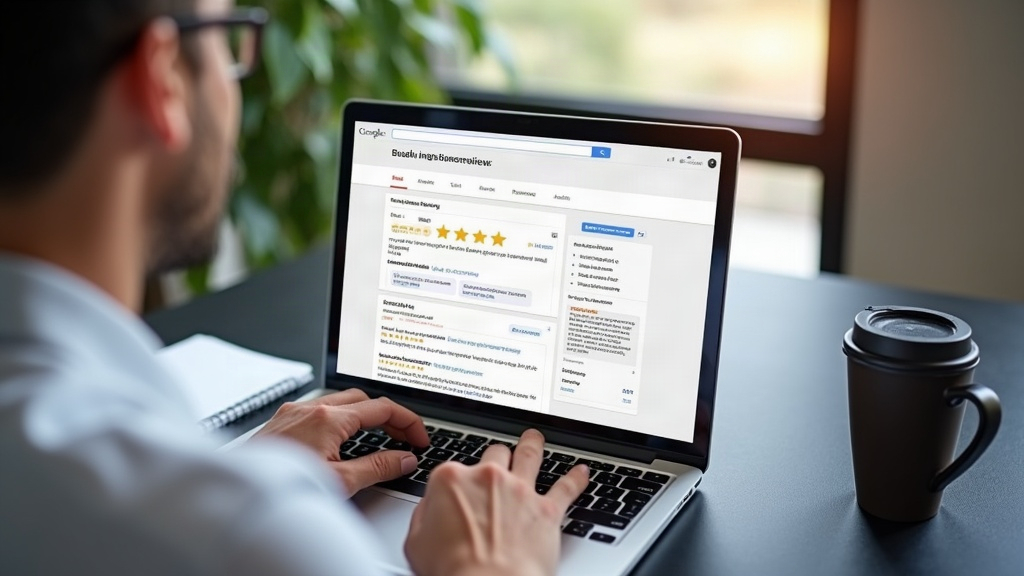
Fake reviews on Google can tank a service business’s reputation in a matter of hours, and if you don’t know how to respond, dispute, or prevent them, they can quietly erode the trust you’ve spent years building. The short answer: report the fake review to Google, respond professionally without confirming or denying details publicly, document everything, and lean harder into your legitimate review strategy so the fake ones get diluted. Understanding why local SEO is important is the missing piece most business owners overlook — because reviews are one of the biggest ranking and trust signals Google uses to decide who shows up when someone nearby searches for your service.
This matters even more in a market like New York, where competition for plumbers, electricians, dentists, lawyers, and other service businesses is fierce and a single cluster of suspicious one-star reviews can push you below three competitors on the map pack. Let’s walk through what fake reviews actually look like, how to respond to them the right way, and how a stronger local SEO foundation makes your business more resilient against this kind of attack.
How to Spot a Fake Google Review
Not every negative review is fake — some are just unhappy customers, and those deserve a genuine, thoughtful response. But fake reviews tend to share recognizable patterns that separate them from real customer frustration.
- The reviewer has no other activity on their profile, or all their reviews were posted the same week
- The review mentions a service you don’t offer, a location you don’t operate in, or an employee who doesn’t exist
- It’s vague, generic, or reads like a template (“worst experience ever, don’t waste your time”)
- It appears right after a public dispute, a bad interaction on social media, or a competitor’s launch
- Multiple one-star reviews land within hours or days of each other from brand-new accounts
If several of these apply, you’re likely dealing with a fake or malicious review rather than an honest complaint — and your response strategy should reflect that.
Step-by-Step: Responding to a Fake Review
1. Don’t Panic or Delete Anything
Business owners often respond emotionally, which can make things worse. Take a screenshot of the review immediately, including the date, reviewer name, and any details, before doing anything else — Google reviews can be edited or removed by the poster, and you’ll want proof it existed.
2. Flag It to Google
Use the “Report review” option (the three-dot menu next to the review) and select the reason that best fits — spam, fake engagement, conflict of interest, or off-topic content. Google won’t act instantly, and it doesn’t always remove reviews even when they’re clearly fake, but flagging is the required first step and creates a record.
3. Respond Publicly, But Carefully
Write a calm, professional public response even before Google rules on your report. Avoid confirming private details (never say “we don’t have a customer named John” if you’re not 100% sure, and never share personal information about any real customer in your reply).
- Thank them for the feedback, tone-neutral
- State plainly that you have no record of this transaction or customer
- Invite them to contact you directly to resolve or clarify
- Keep it short — this response is really for future customers reading it, not the reviewer
4. Escalate If Needed
If the review violates Google’s policies clearly (defamation, profanity, competitor posing as a customer) and simple flagging doesn’t work, you can escalate through Google’s Business Profile support channels or, in more serious cases involving defamation, consult legal counsel. This is rare, but it’s an option for reviews that cause real financial harm.
5. Build a Paper Trail
Keep a simple log of every fake review: date reported, method used, response given, and outcome. If you ever need to escalate or provide evidence to Google support, this history makes your case far more credible.
Why Local SEO Is Important When Fighting Fake Reviews
Here’s the part most business owners miss: a handful of fake reviews rarely sinks a business with a genuinely strong local SEO foundation. Google’s local ranking algorithm weighs review recency, volume, and diversity — not just star average — alongside dozens of other trust signals like citation consistency, on-site content, and profile completeness.
This is why local SEO is important beyond just “showing up on the map.” A business that consistently earns new, genuine reviews, keeps its Google Business Profile active, and maintains strong local signals is far less vulnerable to a few bad-faith reviews throwing off its overall standing. The fake reviews get buried under real, recent, detailed feedback instead of standing out as the newest or most visible posts on your profile.
If you’re unsure where your profile currently stands, our Google My Business SEO services start with a full profile audit that flags vulnerabilities like thin review history, inconsistent categories, or missing details — all of which make a business more exposed when a bad actor decides to target it.
What Is Local SEO Marketing, and How Does It Reduce This Risk?
Local SEO marketing is the practice of optimizing your online presence so your business ranks well in “near me” searches and Google’s local map pack — think plumbers, dentists, HVAC companies, or attorneys searching for customers within a specific radius, often a single city or borough. It includes your Google Business Profile, on-site content, citations across directories, and review generation.
A well-executed local SEO strategy naturally builds a defense against reputation attacks because it keeps:
- A steady stream of new reviews coming in, diluting the impact of any fake ones
- Accurate, consistent business information across the web, reducing confusion that fake reviewers can exploit
- Strong engagement signals (photos, posts, Q&A responses) that show Google — and customers — an active, legitimate business
- A responsive review management habit, since businesses that reply quickly to all reviews tend to build more trust with both customers and the algorithm
If you’re trying to figure out how to do local SEO properly for a New York-based service business, it typically starts with claiming and fully optimizing your Google Business Profile, then layering in citation building, localized content, and a genuine review generation system — not just defensive reactions when something goes wrong.
Local SEO Tools Worth Knowing About
Several tools exist specifically to help business owners monitor reviews, track rankings, and manage their local presence. Localo, for example, is one of several platforms built to help track local ranking changes and review activity across multiple locations, which can be useful for spotting a sudden spike in negative reviews before it does real damage.
Other common categories of local SEO tools include:
- Rank trackers that monitor your position in the map pack for target keywords over time
- Review monitoring tools that alert you the moment a new review posts, so you can respond quickly
- Citation management platforms that keep your name, address, and phone number consistent across directories
- Reporting dashboards that show review velocity and sentiment trends
Tools help you see problems faster, but they don’t replace a strategy. Pairing monitoring software with a proactive local SEO plan is what actually protects a business’s visibility long term.
Preventing Fake Reviews Before They Happen
You can’t fully prevent bad actors from posting fake reviews, but you can make your profile a harder target and a faster recovery if it happens.
Strengthen Your Review Pipeline
Ask every satisfied customer for a review through a simple, consistent process — a text or email link right after service completion works best. The more genuine, recent reviews you have, the less visible and impactful any single fake one becomes.
Keep Your Profile Fully Optimized
An incomplete or outdated Google Business Profile is easier to exploit because there’s less real content to outweigh a fake post. Regular posts, updated photos, accurate hours, and complete service listings all reinforce legitimacy.
Respond to Every Review Promptly
Whether it’s a five-star review or a questionable one-star, responding within a day or two shows Google and future customers that your business is actively managed — a habit that pays off well beyond just handling fake reviews.
Monitor for Patterns
If fake reviews start appearing repeatedly, especially clustered around a competitor’s activity or a public dispute, it’s worth documenting the pattern and considering whether a broader reputation management approach — sometimes paired with local SEO services — makes sense to shore up your overall visibility.
When a Fake Review Reflects a Bigger Visibility Problem
Sometimes a fake review is just bad luck — a disgruntled ex-employee, a confused customer, or a petty competitor. But if you’re finding it hard to recover from a handful of negative reviews, that can be a sign your local SEO foundation was thin to begin with.
A business with dozens of strong reviews, consistent citations, and an actively managed profile rarely gets knocked out of the map pack by one or two fake posts. If a single review can meaningfully hurt your rankings, it usually means there wasn’t enough of a buffer built up beforehand — which is exactly the kind of gap a full local SEO strategy is designed to close.
For New York service businesses specifically, where review volume and competition are both high, this buffer matters even more. Our guide on why your business isn’t being found and how to fix it covers the broader visibility factors that often accompany review vulnerabilities.
Putting It All Together
Fake reviews are frustrating, but they’re rarely fatal for a business with a solid local SEO strategy behind it. Document everything, report through Google’s proper channels, respond calmly and professionally, and then focus your energy on the things you actually control — generating real reviews, keeping your profile complete, and staying consistently visible where your customers are searching.
If you’d like a second set of eyes on your Google Business Profile, your review history, or your overall local visibility in New York, Robert Gerov Media is glad to help you build a stronger, more resilient foundation. You can also find our profile and current reviews directly on Google — and when you’re ready to talk through your specific situation, we’re here for the conversation.
Tells Google to show you more from Robert Gerov Media in Search.
Related Posts
Struggling with rising CPCs? Learn how to diagnose low Quality Score in google ppc advertising accounts with a step-by-step NYC-focused checklist.
How to Diagnose Low Quality Score Issues in NYC Google Ads Accounts
What is WordPress SEO and how can NYC publishers protect rankings during core, plugin, or theme updates? A practical checklist for before and after.
What Is WordPress SEO? A Guide for NYC Publishers During Updates
Expert Shopify SEO tips for NYC merchants expanding internationally: URL structure, hreflang, and currency setup that avoid duplicate content and rank drops.
Shopify SEO Tips for Multi-Currency and International Storefronts
What is ecommerce SEO for same-day delivery? Learn how NYC online stores should structure pages, schema, and links to rank and convert local shoppers.
What Is Ecommerce SEO? Structuring NYC Same-Day Delivery Pages
Does Google My Business help SEO after a closure or move? Learn how NYC businesses can protect reviews, rankings, and reputation during the transition.
Does Google My Business Help SEO? Managing Reviews After a Move
Learn how to use AI for SEO the right way — research, drafting, audits, and AI search optimization — without sacrificing quality or rankings.
How to Use AI for SEO: A Practical Guide for New York Businesses
What is enterprise SEO and how do large organizations align stakeholder KPIs across departments? A practical breakdown of frameworks, audits, and tools.
What Is Enterprise SEO? Aligning Stakeholder KPIs Across Teams
What is national SEO and how do you keep landing pages consistent across markets? Learn the strategy, pitfalls, and systems that keep brands cohesive at scale.
What Is National SEO? How to Keep Landing Pages Brand-Consistent
Learn how to do local SEO for voice search queries, from Google Business Profile optimization to conversational content, built for NYC’s competitive market.
How to Do Local SEO for Voice Search: A Guide for NYC Businesses
What is an answering service and how should NYC medical and dental offices script after-hours calls? Learn triage steps, HIPAA tips, and cost factors.